DESIGN • ENGINEER • MANUFACTURE • INSTALL • MAINTAIN

Applications • Medical Hospitals & Clinics

Medical Hospitals & Clinics

Medical Hospitals & Clinics

Overview

Hyperbaric oxygen therapy (HBOT) is a clinically proven treatment used in hospitals and clinics to accelerate healing in patients with complex wounds, traumatic brain injuries, radiation injuries, carbon monoxide poisoning, chronic inflammation, and a range of other FDA-cleared indications.

By delivering 100% pure oxygen under increased atmospheric pressure, HBOT enhances the body's natural healing mechanisms — improving tissue oxygenation, reducing inflammation, and promoting the growth of new blood vessels in compromised tissue.

UHMS & FDA-CLEARED Indications of HBOT

Complex & Non-Healing Wounds

Crush Injury & Acute Traumatic Ischemias

Delayed Radiation Injuries

Carbon Monoxide Poisoning

Necrotizing Fasciitis

Acute Burn Injuries

Intracranial Abscess

Osteomyelitis (Refractory)

Products

Chambers Engineered for Clinical Use

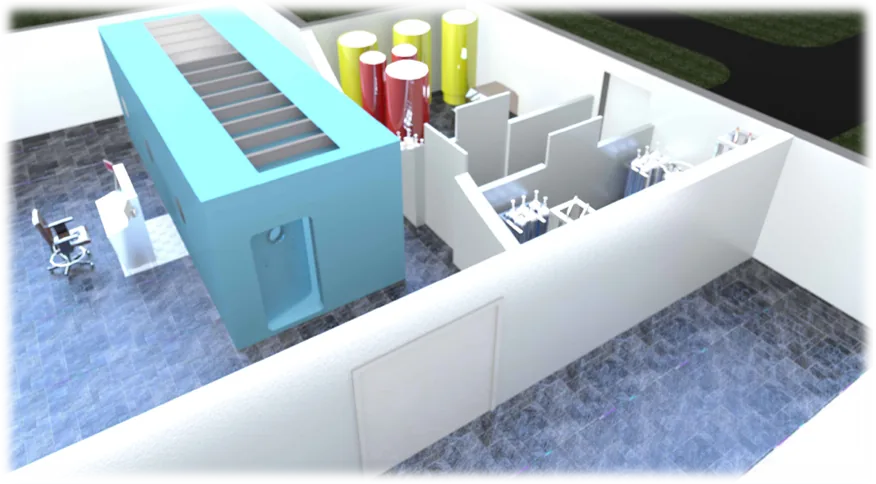
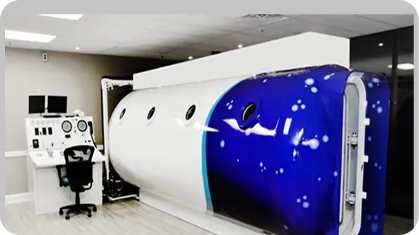
Multiplace Chambers

Medical-rated, rectangular or cylindrical chambers for 2-30 people with single to triple lock configurations. Baseline models available.
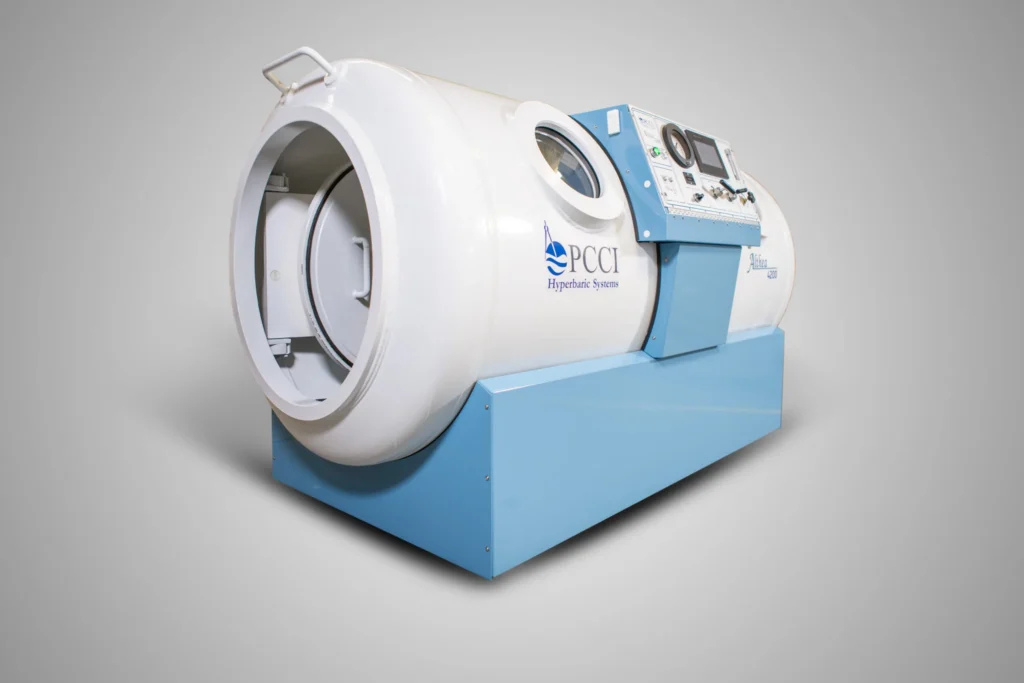
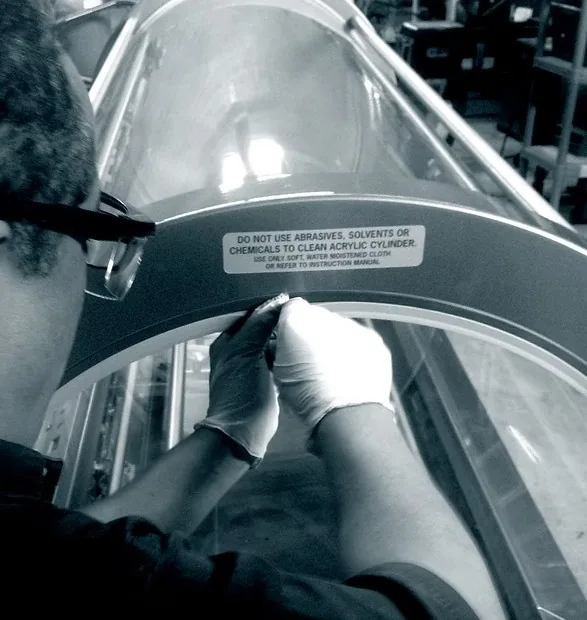
Monoplace Chambers

New Althea 4200 Model for upright, seated treatment OR certified, preowned chambers.
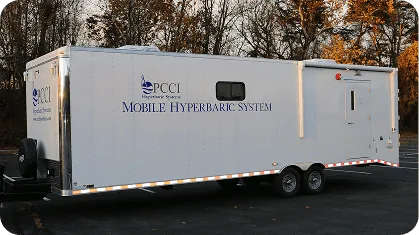
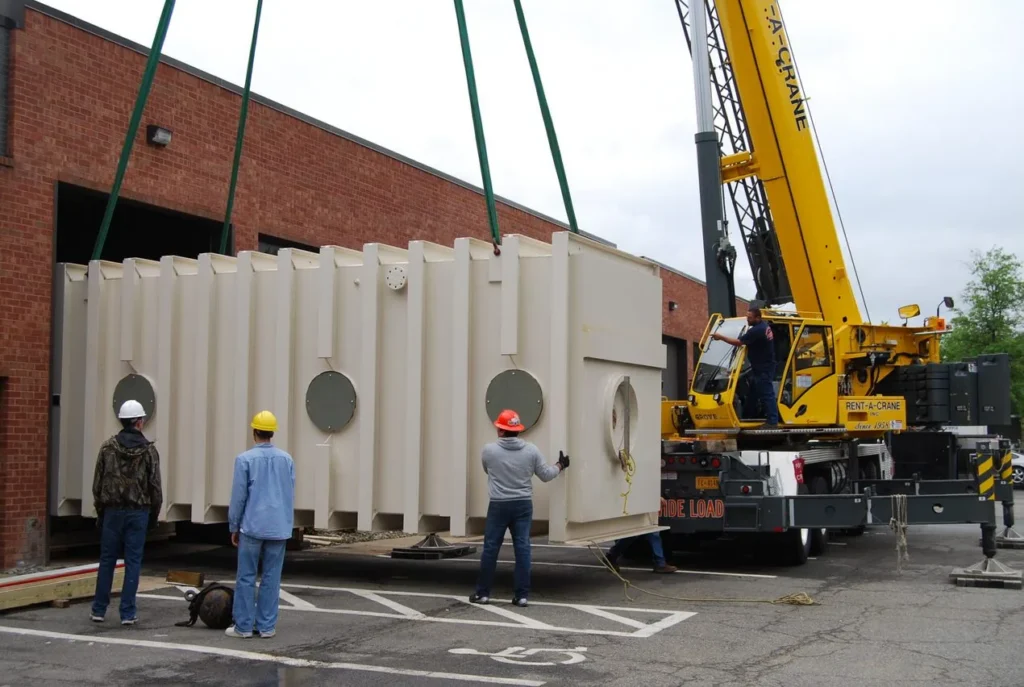
Mobile Trailer Systems

Monoplace or multiplace trailered chamber systems for mobile treatment applications.

Services

Full Lifecycle Support for Clinical HBOT Programs

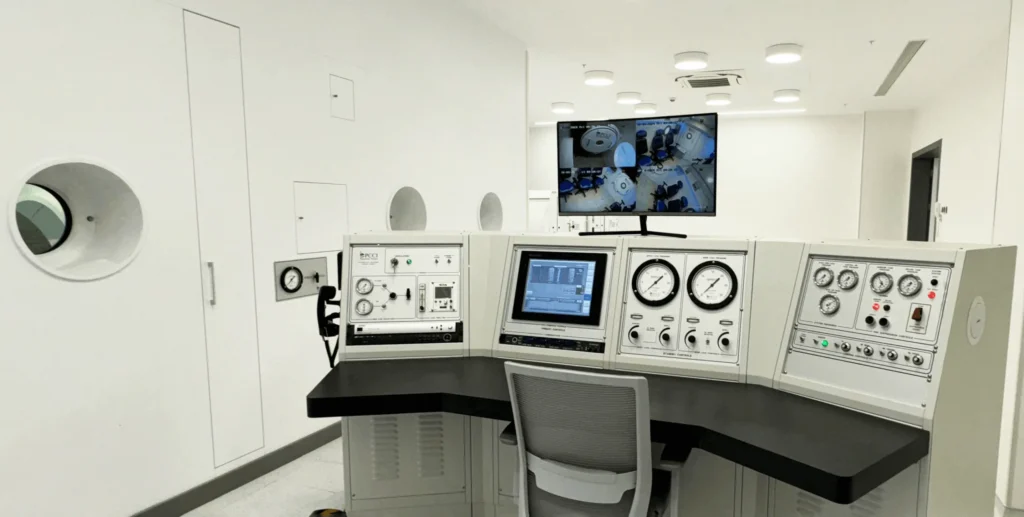
HBOT Facility Site Design

PCCI coordinates the technical inputs to ensure the host facility is properly designed, permitted, and constructed to receive your hyperbaric chamber.

Turnkey Chamber Design & Fabrication

PCCI serves as a one-stop-shop providing end-to-end technical guidance to launch your hyperbaric program and support a successful operation.

Installation & Training

Integrated seamlessly into your facility, with your team fully trained and ready before the first patient arrives.

Preventative & Corrective Maintenance

PCCI delivers expert after-care maintenance and support for hyperbaric systems for any manufacturer, orphan chambers, and our own.

Facility Upgrades & Evaluations

PCCI helps your program evolve — delivering the inspections, upgrades, and support services needed to grow, relocate or adapt with confidence.

Chamber Refurbishment & Recertification

PCCI’s recertification services extend the operational life pre-owned systems and keep them performing like new for years to come.

FAQ's

FAQ's

The FDA has cleared hyperbaric chambers for a defined list of conditions, including decompression sickness, air or gas embolism, carbon monoxide poisoning, diabetic foot ulcers and other non-healing wounds, radiation injury, gas gangrene, crush injuries and severe anemia, among others.
Multiplace chambers suit hospitals treating higher volumes or critically ill patients, since an attendant can stay inside and staff can enter under pressure. Monoplace chambers suit lower volumes, smaller spaces and lower budgets. Many programs start with monoplace units and add multiplace capacity as they grow.
Yes. Multiplace chambers allow medical staff to be inside with the patient and to enter or leave through a separate lock during treatment, which is why they are used for critical care hyperbaric medicine.
A hospital needs an appropriate chamber, a facility designed to NFPA 99 Chapter 14, trained hyperbaric staff and physician oversight, and operating procedures. Many programs also pursue facility accreditation from the Undersea and Hyperbaric Medical Society (UHMS).