DESIGN • ENGINEER • MANUFACTURE • INSTALL • MAINTAIN

Applications • Tunneling & Mining

Tunneling & Mining

Tunneling & Mining

Overview

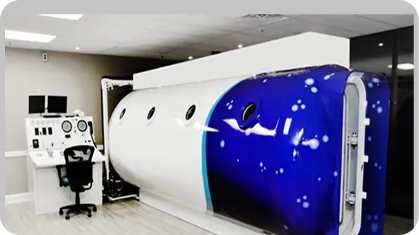
Hyperbaric chambers are an essential safety resource in tunneling and commercial diving operations, providing immediate on-site treatment for workers who experience decompression sickness, arterial gas embolism, or other pressure-related injuries.

Having a certified hyperbaric chamber readily accessible at the worksite significantly reduces the risk of permanent injury or fatality by enabling rapid, life-saving intervention before a patient can be transported to a distant medical facility.

Life Saving Treatments

Decompression Sickness

Carbon Monoxide Poisoning

Arterial gas Embolism

Traumatic Injury

Other Toxic Gas Exposure

Safe Decompression after Saturation Work at Depth

Products

Chambers Built For The Worksite

Tunneling Chambers

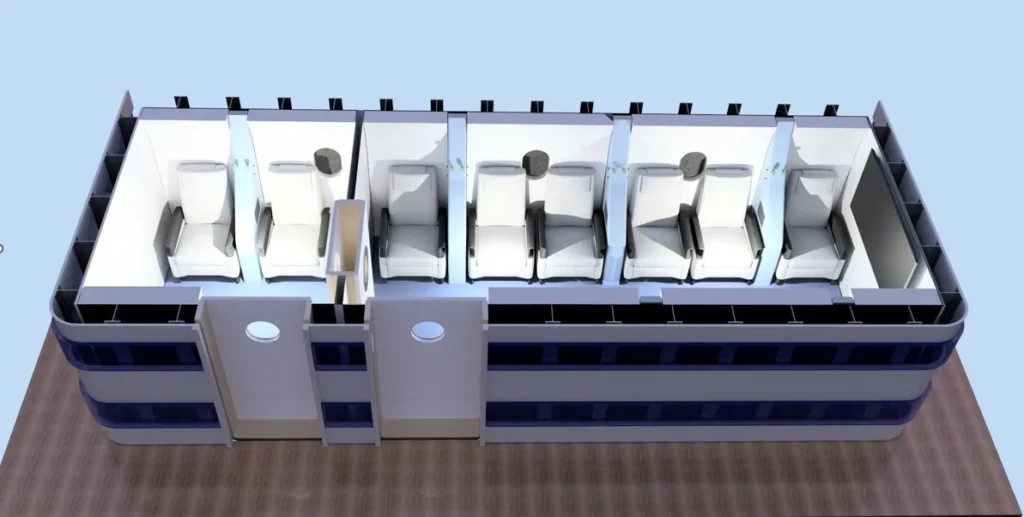
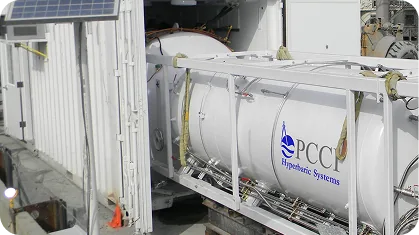
Medical lock chambers for controlled decompression in compressed-air tunneling operations.

Services

Full Lifecycle Support for Worksite HBOT Programs

HBOT Facility Site Design

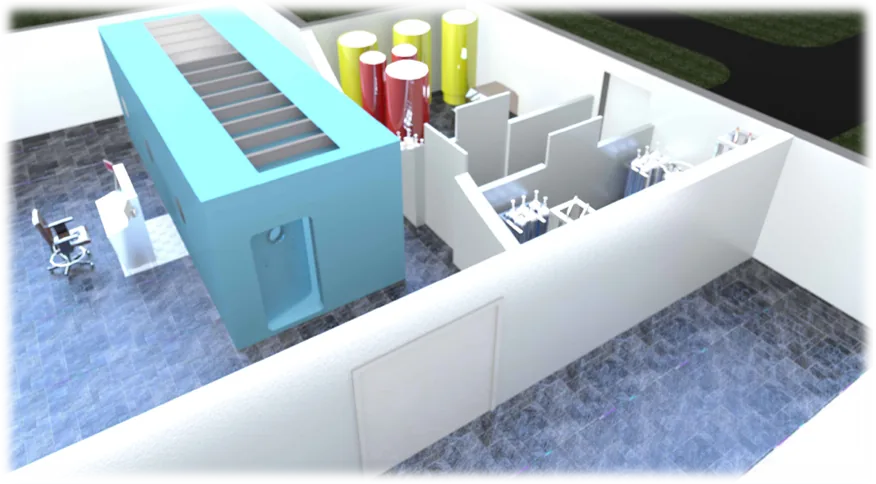
PCCI coordinates the technical inputs to ensure the host facility is properly designed, permitted, and constructed to receive your hyperbaric chamber.

Turnkey Chamber Design & Fabrication

PCCI serves as a one-stop-shop providing end-to-end technical guidance to launch your hyperbaric program and support a successful operation.

Installation & Training

Integrated seamlessly into your facility, with your team fully trained and ready before the first patient arrives.

Preventative & Corrective Maintenance

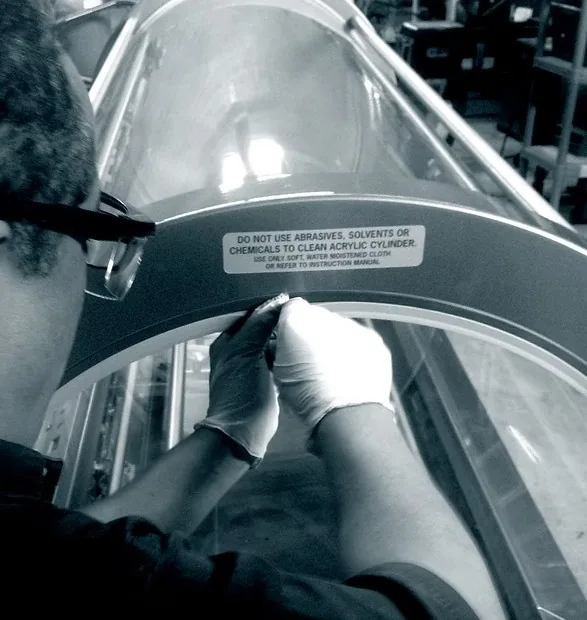
PCCI delivers expert after-care maintenance and support for hyperbaric systems for any manufacturer, orphan chambers, and our own.

Facility Upgrades & Evaluations

PCCI helps your program evolve — delivering the inspections, upgrades, and support services needed to grow, relocate or adapt with confidence.

FAQ's

FAQ's

Decompression sickness occurs when tunnel workers who have worked in compressed air return to normal pressure too quickly, causing gas bubbles to form in the body. Symptoms range from joint pain to serious neurological injury and require prompt recompression treatment.
Compressed-air tunneling exposes workers to decompression sickness risk, and prompt recompression is the standard treatment. An on-site medical lock allows immediate treatment and is required for compressed air work under OSHA 29 CFR 1926.803.
Affected workers are recompressed in a medical lock and breathe oxygen under pressure following a set treatment table, supervised by trained personnel and a physician, until symptoms resolve.
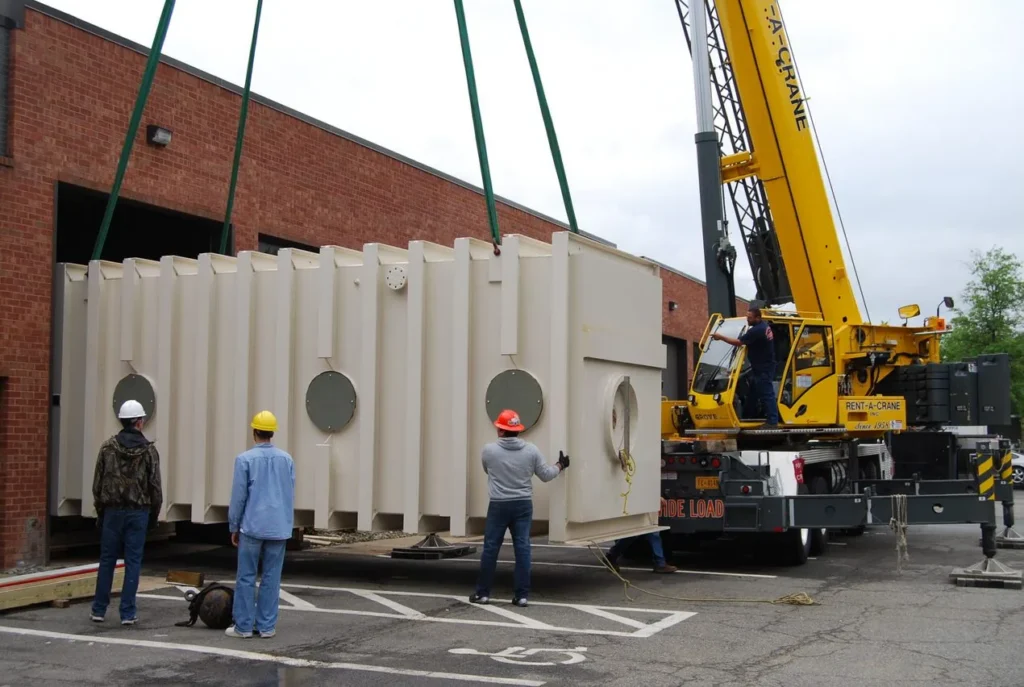
Yes. PCCI tunneling chambers are designed to be transported between work sites, often in customized ISO shipping containers, installed in confined spaces, and to withstand rugged underground construction environments.