Quick answer: A hyperbaric chamber for dogs is a sealed, hard-shell tank that raises the air pressure, most often to 2 ATA. Inside, the dog breathes close to 100% oxygen. A typical session lasts about 45 minutes at full pressure. Vets use it as an add-on to regular care for wounds, burns, trauma, swelling, and some nerve injuries. The dog’s own vet always decides if it’s a good fit.
A hyperbaric chamber for dogs looks simple. It’s a tube with a door and a few windows. But when a vet clinic buys one, it gets four things at once: a pressure vessel, an oxygen system, a fire plan, and a training job for staff.
We build hard-shell chambers at PCCI Hyperbaric Systems, for people and for animals. So we see the questions most pet articles never answer. What pressure is right? Oxygen or air? How big? How safe is it, really? And what does it cost to own one? This guide covers all of it.
What Is a Hyperbaric Chamber for Dogs?
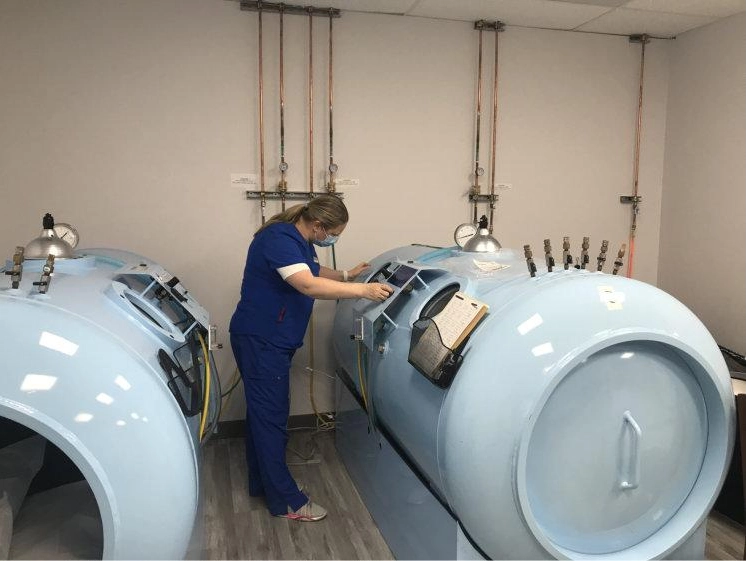
A hyperbaric chamber for dogs is a pressure vessel made for animal patients. You may also see it called a veterinary HBOT chamber, an animal hyperbaric chamber, or a pet hyperbaric chamber. The dog goes inside, the door seals, and the pressure slowly goes up. At the same time, the dog breathes far more oxygen than the 21% found in normal air. That mix of pressure and oxygen is called hyperbaric oxygen therapy, or HBOT.
Pressure is shown in ATA, which stands for atmospheres absolute. For reference, the air around you at sea level is 1 ATA. Vet HBOT usually runs between 1 and 3 ATA. Still, 2 ATA is the setting you’ll see most in dog studies.
How Does Hyperbaric Oxygen Therapy for Dogs Work?
Hyperbaric Oxygen Therapy (HBOT) for dogs works by placing the animal in a specialized, pressurized chamber to breathe 100% pure oxygen, forcing high levels of oxygen to dissolve directly into their blood plasma. Under normal conditions, oxygen is carried through a dog’s body almost entirely by red blood cells (hemoglobin).
By increasing the atmospheric pressure inside the chamber to 1.5 to 3 times normal sea-level pressure, HBOT bypasses the standard limitations of hemoglobin. This allows oxygen to dissolve directly into the plasma and reach deep into compromised tissues, organs, and bones at up to 10 to 17 times higher concentrations than normal.
Hyperbaric Chamber vs. Oxygen Cage
People mix these two up a lot. An oxygen cage adds oxygen to the air around a pet, but it stays at normal pressure (1 ATA). In other words, it’s a support tool for dogs that have trouble breathing.
A hyperbaric chamber, on the other hand, adds pressure. And pressure is what pushes extra oxygen into the blood. So an oxygen cage can’t do the job of a hyperbaric chamber for dogs, no matter how much oxygen you pump in. Some sellers also call any closed box a “dog oxygen therapy chamber.” Always ask if it actually holds pressure.
Oxygen-Filled vs. Air-Filled Chambers
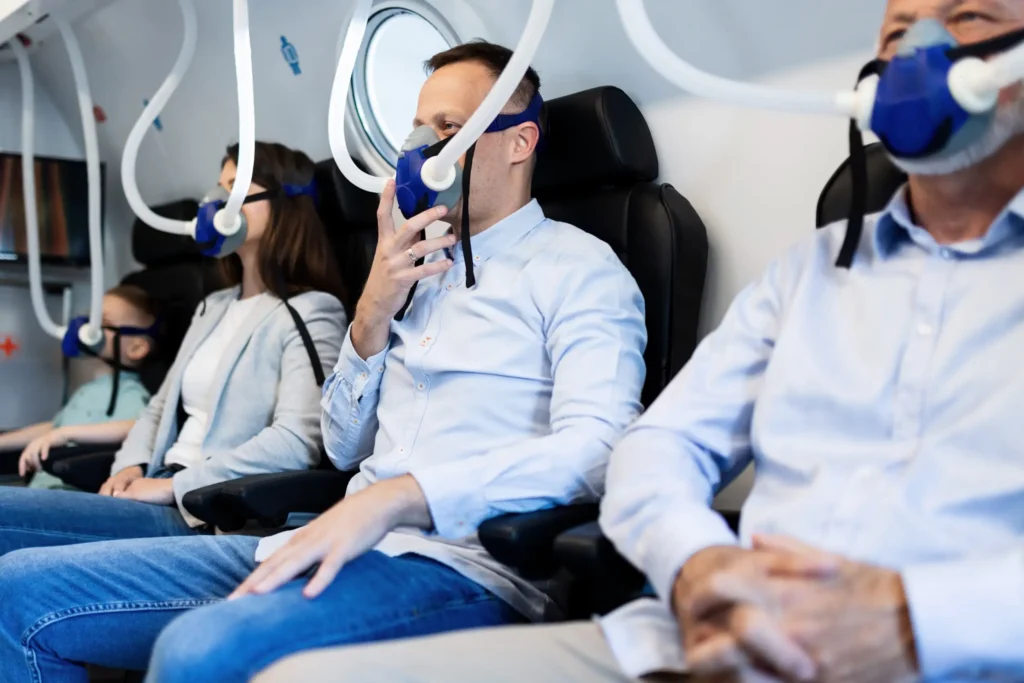
There are two ways to get oxygen to the dog:
Oxygen-filled chamber | Air-filled chamber with a mask (BIBS) | |
How it works | The whole chamber fills with pure oxygen | The chamber fills with air, and the animal breathes oxygen through a mask or hood |
Mask needed? | No | Yes |
Oxygen use | High | Lower |
Fire risk | Higher | Lower |
Good fit for | Small animal clinics | Large animals and multi-animal setups |
At PCCI, we build both. Our research chambers can run on pure oxygen or on air with a built-in breathing system (BIBS). For dogs, a pure oxygen chamber skips the mask. That helps, because many dogs won’t keep a mask on.
The oxygen source matters too. Small soft-shell units often run on an oxygen concentrator and an air compressor. Hard-shell clinic chambers, by contrast, usually draw from a medical oxygen supply, like liquid oxygen tanks or a bulk system.
What Is a Veterinary Hyperbaric Chamber Used For?
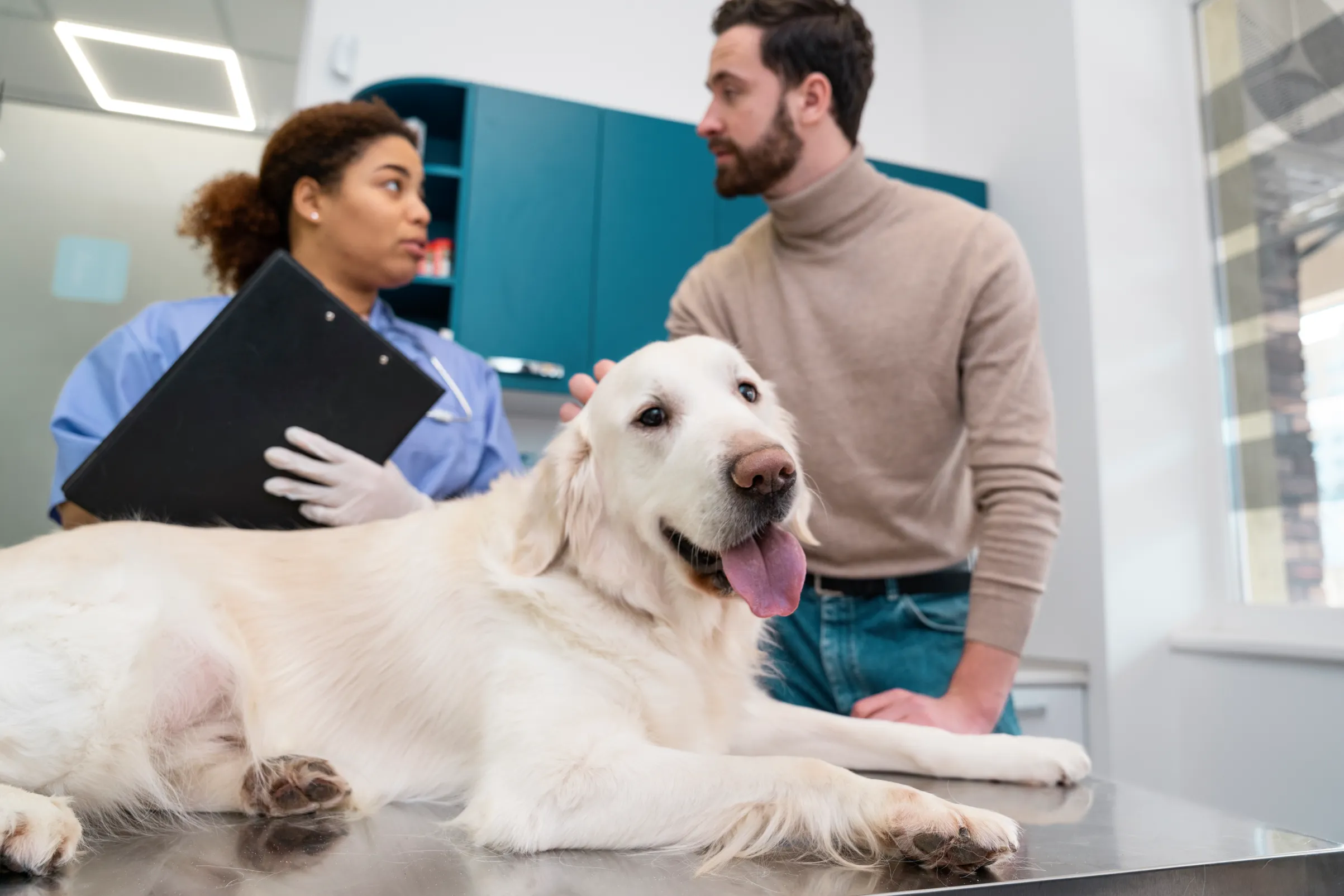
HBOT is an add-on in vet medicine. A hyperbaric chamber for dogs works alongside surgery, wound care, drugs, and rehab. It doesn’t replace them. The dog’s vet decides if it’s a good fit and sets the plan.
HBOT for Dogs: Wounds, Burns and Trauma
Veterinary wound healing is one of the top reasons clinics buy a hyperbaric chamber for dogs. For example, common cases include:
- Wounds that won’t heal
- Bite wounds and torn skin
- Burns
- Skin grafts and flaps that aren’t taking well
- Snake bites and infected wounds
- Some cases with swelling after surgery
Some veterinary rehabilitation centers also add a chamber to help with animal recovery after bone or soft tissue surgery.
HBOT for Nerve Injuries and Swelling
Nerve problems are another big group. One 2021 study looked at 542 dogs treated at a university vet hospital. About half (50.4%) came in for nerve issues, such as spinal cord injury. Another 31.4% came in for wound and tissue healing (Montalbano et al., Frontiers in Veterinary Science, 2021).
What Does the Research Say?
Here’s the honest part. Vet research on HBOT is still young. A lot of the dosing comes from human medicine, and there are few large, controlled trials in dogs. That’s why the 2021 study asked for more of them. So clinics should present time in a hyperbaric chamber for dogs as supportive care, with real-world expectations. It’s not a sure cure.
Is Hyperbaric Oxygen Therapy Safe for Dogs?
Mostly, yes. Studies show dogs handle a hyperbaric chamber well when trained staff follow a clear plan. But there are real risks, and a clinic needs to plan for them.
Which Dogs Should Not Go In?
Every dog needs a vet check first. Vet sources list a few reasons to wait or skip treatment:
- Air trapped around the lungs that hasn’t been treated (pneumothorax)
- Air pockets in the lungs (bullae), which raise the risk of lung damage from pressure
- A high fever, since heat makes the brain use more oxygen
- Some sedatives, which certain vets avoid in the chamber
The good news? Most dogs don’t need sedation at all, and most handle the chamber well.
Dog HBOT Risks and Side Effects
Two studies give us real numbers. First, a 2018 study followed 78 dogs and 12 cats through 230 sessions at 2 ATA. There were no major problems. The minor ones were things like head shaking, panting, and swallowing. Most of those happened while the pressure was going up or coming down (Journal of the American Animal Hospital Association, 2018).
Then a bigger 2021 study looked at 2,792 sessions. Most of them (88.5%) ran at 2 ATA. Seizures caused by too much oxygen showed up in 0.7% of sessions, or 3.5% of dogs. Dogs aged 6 or older had a higher chance. But in every case, the seizure stopped once the pressure came down (Montalbano et al., 2021).
Ear and lung strain from pressure is also possible. That’s why staff raise and lower pressure slowly.
Oxygen and Fire Safety
Fire is the biggest danger in any oxygen-filled hyperbaric chamber for dogs. That’s why NFPA 99, the main US code for health care sites, has fire rules for chambers in Chapter 14. It calls animal chambers “Class C.” In daily use, clinics should:
- Take off or cover bare metal, synthetic bandages, and oil-based products before each session
- Keep all electrical gear out of the chamber
- Use a chamber with fire suppression, alarms, and a fast way to drop the pressure
Our 1200E equine chamber is a good example. There’s no electrical gear inside at all. Its water deluge system meets or beats NFPA 99. And when the deluge turns on, the pressure drops on its own. Features like these are what veterinary hyperbaric chamber safety looks like in real life.
Staff Training and Emergency Steps
A trained vet or tech should watch the dog for the whole session. Good windows and a video feed make that much easier. Staff also need to spot a seizure, bring the pressure down safely, and run a fire drill. So training on your exact hyperbaric chamber for dogs matters just as much as general HBOT know-how.
What Documents Should Come With a Used Hyperbaric Chamber?
Papers matter as much as hardware. In fact, a chamber with no records may not pass a fire marshal review or an accreditation survey. So ask for these:
Document | Why it matters |
ASME PVHO-1 Form GR-1 and Section VIII data report | Proves how the vessel was built and tested |
Window forms VP-1 to VP-5 | Shows each window’s design, build, and test history |
Nameplate photo | Ties the chamber to its papers |
FDA 510(k) number | Confirms the model is cleared for medical use |
Service and repair logs | Shows upkeep, repairs, and parts changed |
Hours of use and pressure cycles | Hints at wear on parts and windows |
Last inspection and test reports | Shows the chamber’s current state |
Operating and maintenance manuals | Needed for safe use and training |
If records are missing, a recertification can sometimes rebuild the paper trail. However, that means new inspections and tests, so budget for i
Thinking About a Hyperbaric Chamber for Your Practice?
A good chamber choice comes down to three things: the vessel, the oxygen setup, and the room it goes in. Talk with a PCCI engineer about size, oxygen delivery, and NFPA 99 rules before you buy.
How to Choose a Hyperbaric Chamber for Dogs
In the end, the right hyperbaric chamber for dogs depends on three things. Who are your patients? How many do you treat? And how much room do you have?
Small Dog vs. Large Dog Hyperbaric Chamber Sizes
The dog should be able to lie flat and shift around without touching the walls. So check the chamber dimensions on the inside (width and length), not the outside size. Here’s how PCCI’s base animal models compare:
- 20-48 model: 20 inches wide inside and 48 inches long. It fits small dogs, rabbits, and guinea pigs.
- 53-48 model: 53 inches wide and 48 inches long. It fits dogs, pigs and sheep.
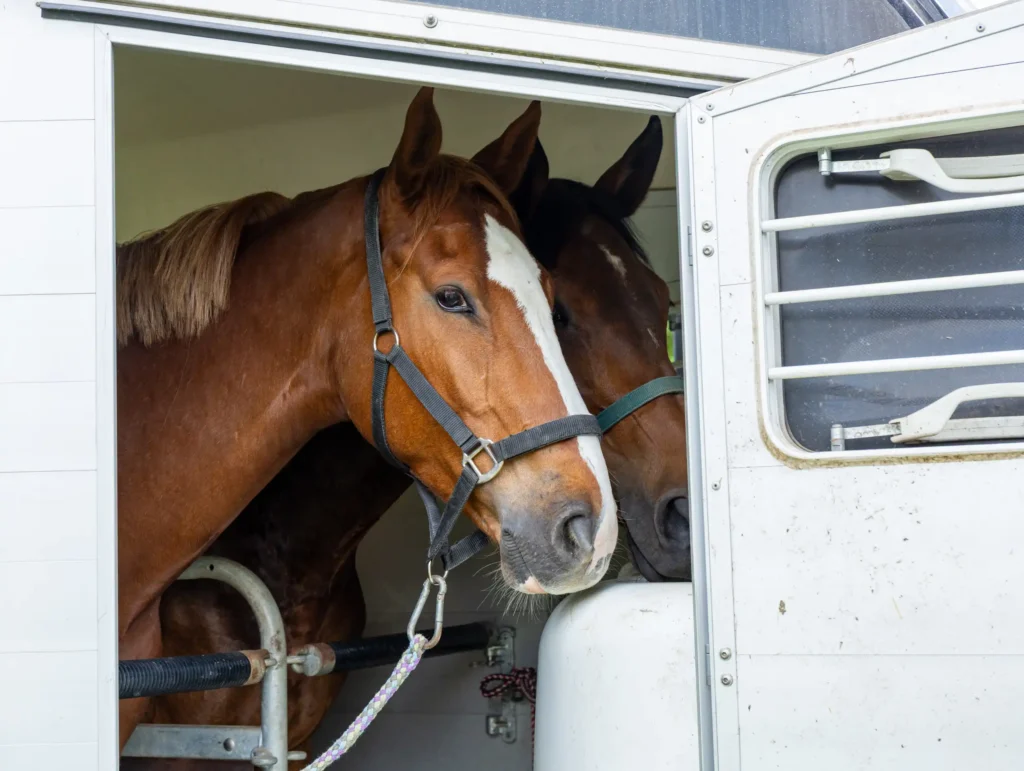
- 1200E equine chamber: 10 feet wide inside. It’s made for horses, camels, and other large animals.
Cats and other small pets need less room, so a compact small animal hyperbaric chamber often covers them too. We build these base models for vet research. We also custom-build chambers for a species, a treatment plan, or a building.
Hard-Shell vs. Soft-Shell Hyperbaric Chambers for Dogs
Soft-shell chambers are portable bags that blow up. They run at low pressure, usually about 1.3 ATA. That’s well below the 2 to 3 ATA used in most dog studies. Hard-shell chambers, by contrast, have a rigid shell built to reach those higher pressures.
So if your clinic wants to follow published vet plans, a hard-shell hyperbaric chamber for dogs is the real choice. For the record, PCCI only works with hard-shell chambers.
Picking a Veterinary Clinic Hyperbaric Chamber for Your Caseload
An animal hospital hyperbaric chamber may run several dog sessions a day. Each session takes time. A typical one runs about 75 minutes, with roughly 15 minutes to raise the pressure and 15 to lower it. If one chamber can’t keep up, a second one or a larger multi-animal system may make sense.
Hyperbaric Chamber for Dogs: Specs to Compare
When you compare quotes for a hyperbaric chamber for dogs, put these specs side by side:
Spec | What to look for |
Veterinary chamber pressure (ATA rating) | Plenty of room above your treatment pressure. Our research models are rated to 100 psig, far above 2 to 3 ATA |
Chamber dimensions | Width and length that fit your biggest regular patient |
Oxygen delivery system | Pure oxygen, air with a mask (BIBS), or both |
Controls | Automatic pressure settings, with manual backup |
Hyperbaric chamber monitoring | Records of oxygen, CO2, heat, humidity and pressure |
Seeing the patient | Clear acrylic windows or a clear body, plus video |
Comfort | Low noise, plus heat and humidity control |
Fire safety | No electrics inside, deluge system, fast relief valves |
Cleaning | An inside surface staff can wipe down between patients |
Build quality | A rigid shell with clear viewports, built to ASME Section VIII and PVHO-1, and NFPA 99 compliant |
Our research chambers, for example, run on automatic controls with pressure settings you can adjust. They also log oxygen, CO2, heat, humidity, and pressure. That helps with lab records and published studies.
Veterinary Hyperbaric Chamber Price and Total Cost
There’s no single price for a hyperbaric chamber for dogs. Portable soft-shell bags cost the least. Custom hard-shell chambers cost a lot more. That’s why most makers quote each project one by one.
What Changes the Price?
Dog hyperbaric chamber cost depends mostly on:
- Size and pressure rating
- Pure oxygen vs. air with a mask
- Controls, monitoring, and video
- Fire safety systems
- Custom builds for a species or caseload
The Costs Beyond the Chamber
The chamber is only part of the bill. Veterinary HBOT equipment cost also covers shipping, setup, and an oxygen supply. A pure oxygen chamber also uses far more oxygen per session than a mask system. On top of that, plan for staff training, routine upkeep, and window and seal checks. Finally, ask what the warranty covers, how fast spare parts arrive, and who provides technical support.
What Do Clinics Charge per Session?
In the US, clinics often charge about $100 to $200 per session, based on a vet practice journal. Of course, prices change by region and case. Since many dogs need a series of sessions, that fee shapes how fast a hyperbaric chamber for dogs pays for itself.
How to Buy a Veterinary Hyperbaric Chamber
Search “veterinary hyperbaric chamber for sale,” and you’ll find everything from blow-up bags to hospital-grade steel. So before you buy a veterinary hyperbaric chamber, compare each supplier on paperwork and support, not just price.
Questions to Ask a Veterinary Chamber Manufacturer
- What’s the top working pressure, and what pressure do you suggest for dogs?
- Is it pure oxygen, air with a mask, or both?
- How wide and how long is the inside?
- What fire system and emergency pressure release does it have?
- Who installs it, and who trains our staff?
- What warranty, spare parts, and tech support come with it?
- What does routine upkeep involve?
Paperwork to Check
First, get the pressure vessel paperwork in writing. That means ASME Section VIII and PVHO-1 design records, pressure test results, and an NFPA 99 compliance statement. Also ask for a line-by-line quotation.
One more thing. The FDA doesn’t require pre-market clearance for devices used only on animals. So an “FDA cleared” claim on a vet chamber usually doesn’t apply. Focus on code compliance and test records instead.
Delivery, Setup and Training
Before the chamber arrives, your room needs the right floor strength, oxygen supply, airflow, and power. Our HBOT facility site design team works through these details with your architect. Then our hyperbaric chamber installation and training team sets up your hyperbaric chamber for dogs and trains your staff on site.
How PCCI Builds Hyperbaric Chambers for Animals
We design and build chambers in the USA under an ISO 9001:2015 quality system. Our animal work includes:
- Equine chambers: The PCCI 1200E, with pure oxygen or air-with-mask modes and NFPA 99 Class C fire safety
- Research chambers: Models from the B-11 for mice and rats up to the 53-48 for dogs, pigs and sheep, plus a chamber that works with fMRI scanners
- Custom builds: Chambers sized and set up for a species, a treatment plan, or a building
We also support athletic performance and recovery programs, since horse, camel, and vet sports medicine teams use HBOT more and more. To be clear about our role, though: we build and service chambers. We don’t treat animals. Your vet decides if HBOT is right for a patient.
Frequently Asked Questions
How much does a veterinary hyperbaric chamber cost?
The price of a hyperbaric chamber for dogs varies a lot. Portable soft-shell bags cost the least. Hard-shell chambers built for 2 to 3 ATA cost far more. Size, oxygen type, controls and fire safety all change the price. Shipping, setup, oxygen, and training add to it, so ask for a line-by-line quote.
What size hyperbaric chamber does my dog need?
Your dog should be able to lie flat and turn without touching the walls. Check the inside width and length, not the outside size. As a rough guide, a 20-inch-wide chamber fits small dogs. Bigger breeds need much more room, like a 53-inch chamber. Giant breeds may need a custom build.
What pressure should a veterinary hyperbaric chamber run at?
Most dog studies use 2 ATA, and some go up to 3 ATA. In one 2021 study of 2,792 sessions, 88.5% ran at 2 ATA. The vet picks the treatment pressure. The pressure rating on a hyperbaric chamber for dogs should sit well above that number.
How long does a hyperbaric oxygen therapy session for a dog last?
In a hyperbaric chamber for dogs, a full session takes about 60 to 90 minutes. Raising the pressure takes about 15 minutes. Then the dog spends 30 to 75 minutes at full pressure, with 45 minutes the most common. Lowering the pressure takes about 15 more minutes.
Can all dogs get hyperbaric oxygen therapy?
No. Dogs with untreated air around the lungs or air pockets in the lungs usually shouldn’t go in. A high fever is another reason to wait. In one large study, older dogs also had a higher seizure risk. So every dog needs a vet check before its first session in a hyperbaric chamber for dogs.
What are the downsides of hyperbaric oxygen therapy for dogs?
The main downsides are cost, limited access, and a small risk of side effects. Clinics often charge $100 to $200 per session, and many dogs need several. Side effects can include ear discomfort, restlessness, and, rarely, seizures from too much oxygen. Those seizures stop once the pressure comes down.
Does a vet hyperbaric chamber need special training?
Yes. Staff must know how to prep the dog, run pressure settings, watch for oxygen side effects, and handle emergencies like seizures or fire. General HBOT knowledge isn’t enough by itself. Each operator also needs hands-on training on the exact chamber they’ll use every day.
How do you clean and care for a vet hyperbaric chamber?
Wipe down the inside between patients with cleaners the manufacturer approves, because some chemicals can damage the clear plastic windows. Beyond cleaning, the chamber needs routine upkeep, regular window and seal checks, and pressure system tests. A written care schedule keeps it safe and working longer.