Quick answer: CHT certification is the Certified Hyperbaric Technologist credential from the National Board of Diving and Hyperbaric Medical Technology (NBDHMT). So to earn it, you take a 40-hour approved course and log 480 hands-on hours, with 40 under direct watch. Then you pass a 120-question online exam in two hours. After that, you renew every two years with 24 CE hours and 100 work hours.
CHT certification sits at the heart of a safe hyperbaric program. But a card on the wall doesn’t run a chamber. Your team also needs hands-on training on the exact gear they use each day.
As a certified hyperbaric chamber manufacturer, PCCI Hyperbaric Systems also builds hard-shell chambers and trains the people who run them. So this guide covers both sides: how CHT certification works, and how to train your whole hyperbaric team around it. Plus, we’ve checked every rule below against the current NBDHMT CHT Resource Manual.
What Is CHT Certification?
CHT certification is a US credential for people who run hyperbaric chambers and help with hyperbaric oxygen therapy (HBOT). In short, it shows a person has the training, the hands-on hours, and the test score to work safely. In fact, it’s the best-known hyperbaric technologist certification in the US, so many sites want it.
What Does a Certified Hyperbaric Technologist (CHT) Do?
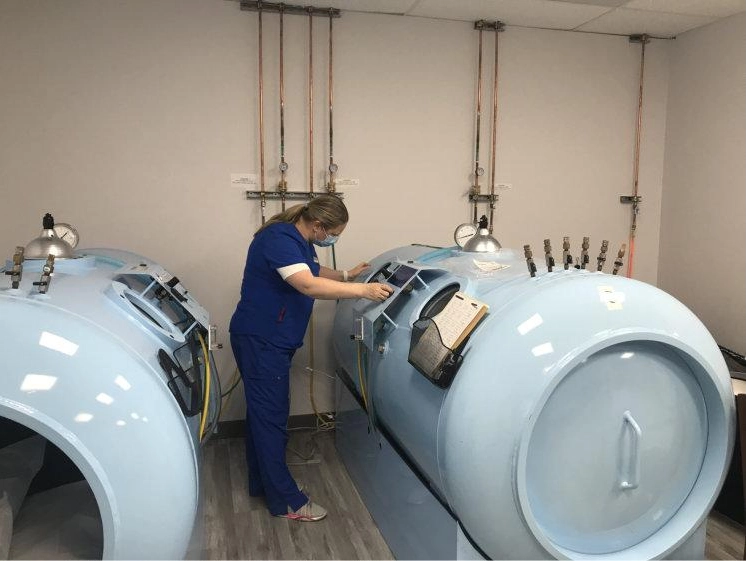
A certified hyperbaric technologist runs the chamber and looks after patients during treatment. So day to day, that means checking the chamber, raising and lowering the pressure, managing the oxygen, and watching each patient. CHTs also act first when something goes wrong, like ear pain, oxygen toxicity, or a fire alarm.
Who Issues CHT Certification?
The NBDHMT issues the CHT credential. However, it’s an add-on to a person’s main job license, not a starter license on its own. Other groups offer tech courses with similar names, though. So check which credential your employer, accreditor, and insurer accept.
Why Is CHT Certification Important for Hyperbaric Facilities?
Hyperbaric chambers mix high pressure and high oxygen, so mistakes can be serious. So a certified team lowers that risk. CHT certification also helps a site earn accreditation, because groups like the UHMS look closely at staff training. In addition, it tells patients and payers that trained people run each session.
What Are the Requirements for CHT Certification?
Education and Professional Eligibility Requirements
First, you need at least a high school diploma or GED. Most people also hold a current license in a field that qualifies, like nursing, respiratory care, paramedic or EMT work, or military medicine. NBDHMT also runs a criminal background check. Because the list can change, always check the latest NBDHMT manual before you apply.
Required Hyperbaric Training and Clinical Experience
Next comes training. First, you must finish an NBDHMT-approved intro course in hyperbaric medicine within three years of your exam date. That course also runs about 40 hours.
Then you need 480 hours of hands-on clinical work in hyperbaric medicine. Of those, though, 40 hours must be under the direct watch of a mentor, called a preceptor. According to NBDHMT, that person should be a CHT or a Certified Hyperbaric Registered Nurse (CHRN) with at least two years on the job.
Documentation Needed for CHT Certification
Finally, you send proof with your application. That often means your course certificate, a record of your 40 supervised hours, and a letter from your boss that confirms the 480 hours. So keep a clear hour log from day one.
How to Become a Certified Hyperbaric Technologist
So here’s the path in four steps.
Step 1: Meet the NBDHMT Eligibility Requirements
Confirm your education and qualifying license first. That way, you won’t spend time on training that doesn’t count toward the credential.
Step 2: Complete the Required Hyperbaric Education and Training
Then take an NBDHMT-approved 40-hour intro course. This hyperbaric oxygen therapy training also covers how pressure works, how the body reacts, patient care, and chamber safety. Also, the exam must happen within three years of the course.
Step 3: Gain Supervised Clinical Experience
Next, log 480 clinical hours in a hyperbaric department, including the 40 directly supervised hours. So at 40 hours a week, that works out to about 12 weeks of full-time work. Part-time staff will take longer, of course.
Step 4: Apply for and Pass the CHT Certification Exam
Finally, apply to NBDHMT and sit the exam. Then, according to the NBDHMT manual, it’s taken online, has 120 questions, and allows two hours.
What Does the CHT Certification Exam Cover?
NBDHMT sets the exam content, so use its current manual as your study guide. In general, the exam tests the knowledge a technologist uses on every shift.
Hyperbaric Oxygen Therapy Principles and Patient Care
First, expect questions on how pressure and oxygen work in the body, which conditions HBOT treats, and how to prepare and monitor patients. Side effects like barotrauma and oxygen toxicity are core topics, too.
Hyperbaric Chamber Operations and Equipment
You also need to know how chambers work. That means how they raise and lower pressure, how oxygen gets to the patient, how BIBS masks work, and what to check before each use. It also covers both monoplace and multiplace chambers.
Safety Procedures and Emergency Response
Safety runs through the whole exam. So study how to stop fires in oxygen-rich rooms, how to bring pressure down fast, how to help a patient in trouble, and the codes that apply.
How to Prepare for the CHT Certification Exam
First, start with the NBDHMT resource manual. Then review your introductory course notes and ask your preceptor to quiz you on real cases during your clinical hours. Practice questions help too, as long as they come from a source that tracks the current manual.
Is your team ready for its new chamber?
CHT certification covers the theory. But your staff also need hands-on training on your exact chamber, controls and gas setup. So see how our on-site installation and operator training prepare your team before the first patient.
How Much Does CHT Certification Cost and How Long Does It Take?
Certification Fees and Training Expenses
Costs come in three parts: the intro course, the exam fee, and renewal. Course prices vary by school, and NBDHMT sets its own exam fee, so check both before you budget. Renewal, on the other hand, costs $100 every two years, according to the NBDHMT manual. Many employers also pay these costs for their staff.
Training Duration and Clinical Experience Requirements
Time, however, is usually the bigger factor. First, the course takes about a week. Then the 480 clinical hours take roughly three months full-time, or longer for part-time staff. So most candidates can reach the exam within a few months of starting.
What Training Does a Hyperbaric Team Need?
Still, certification is just one layer. A safe team also needs hyperbaric technician training that matches its chambers and its roles.
Hyperbaric Chamber Operator Training
Every hyperbaric chamber operator needs training on the exact chamber they run. So that covers the control panel, gauges, valves, alarms, voice links and pre-use checks. Because each model is different, good hyperbaric oxygen therapy technician training should come from the maker or a skilled trainer.
Monoplace vs. Multiplace Chamber Training
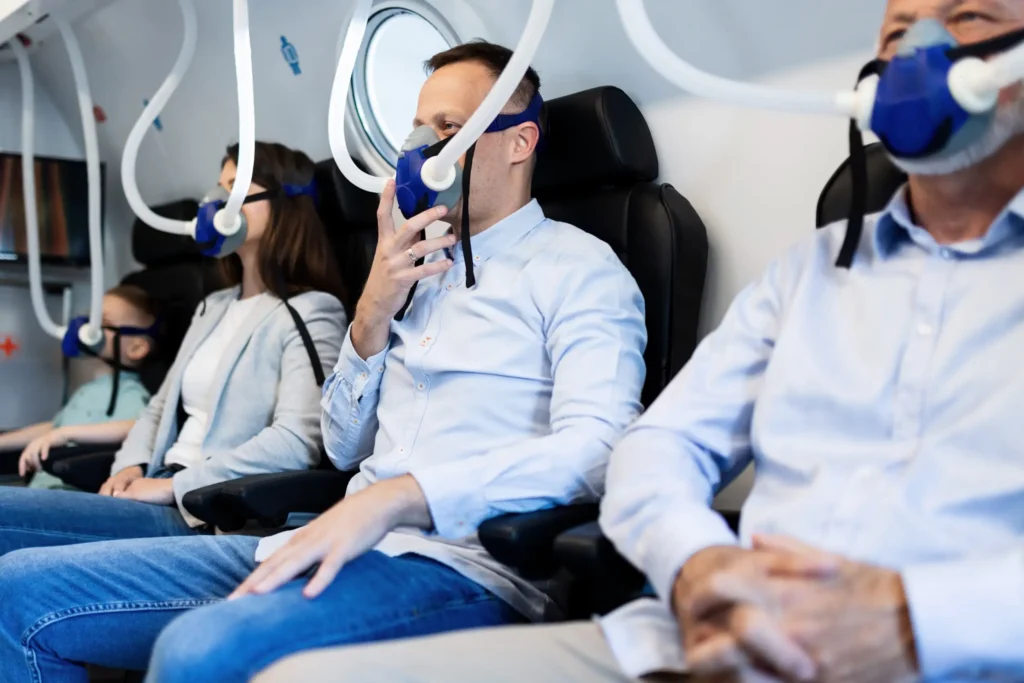
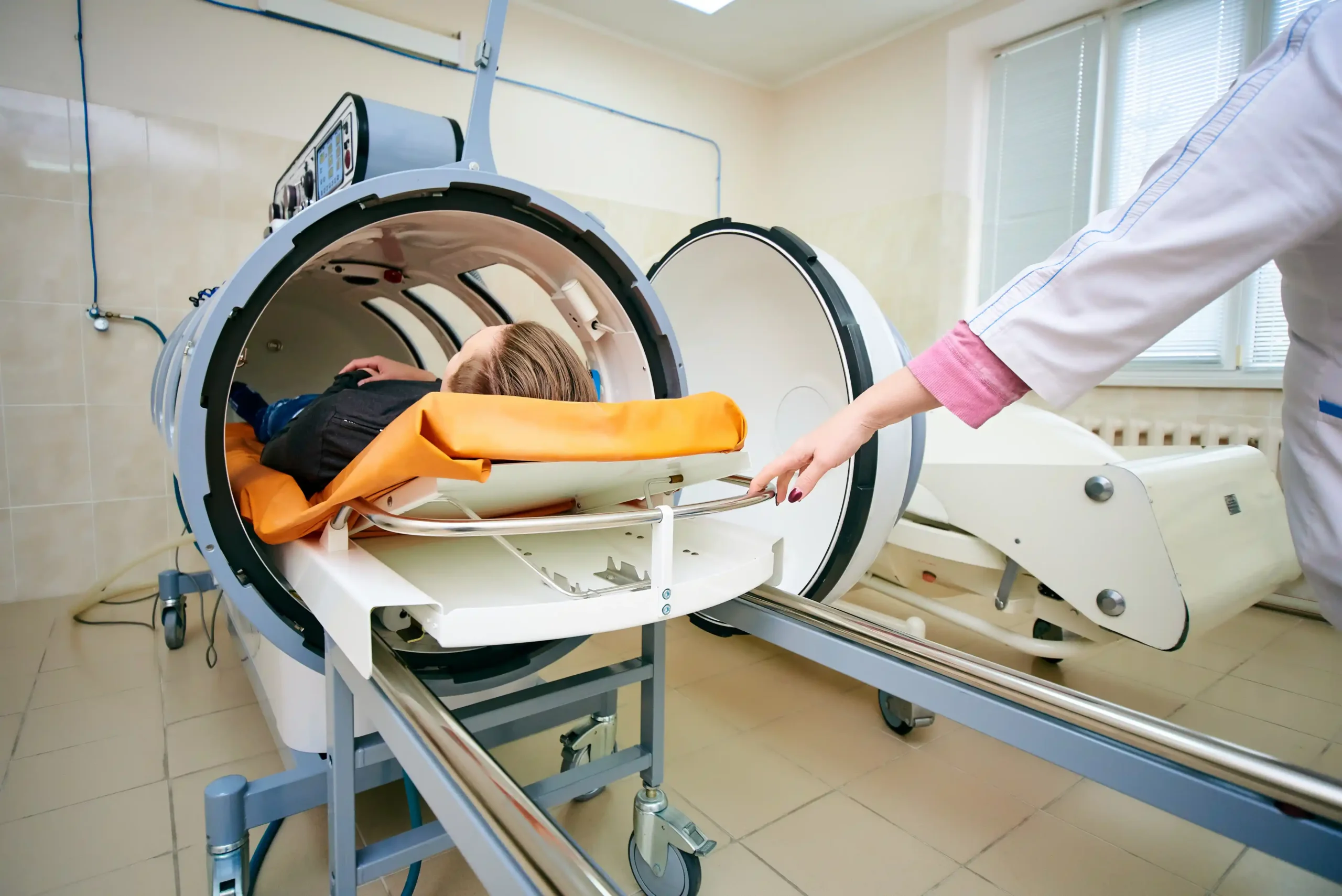
Monoplace and multiplace chambers also need different skills. A monoplace treats one patient, often in an oxygen-filled vessel, so staff monitor from outside. A multiplace, by contrast, holds several patients plus an inside attendant. So multiplace teams also train on BIBS hoods, entry locks, and working under pressure.
Patient Monitoring and Treatment Procedures
Teams must also know the treatment plans their doctor sets. That means screening patients, helping them clear their ears, watching for signs of oxygen toxicity, and keeping good notes. So close watching catches problems early.
Oxygen Safety and Emergency Response Training
After all, fire is the biggest hazard in any oxygen-rich chamber. So every team member should train on banned items, cotton clothes, grounding, and fast pressure drops. Most of these steps come straight from the hyperbaric fire safety rules in NFPA 99. Then regular drills make them second nature.
CHT Certification vs. Hyperbaric Chamber Operator Training
Professional Certification vs. Equipment-Specific Training
These two often get mixed up, though. First, CHT certification is a credential from NBDHMT, and it proves broad hyperbaric know-how. Chamber operator training, on the other hand, teaches someone to run one exact chamber model. So your team needs both.
Which Hyperbaric Team Members Need Certification or Training?
Roles vary by site, but a typical team looks like this:
Role | Common credential | Chamber-specific training |
Hyperbaric physician | Physician license plus hyperbaric medicine training | Recommended |
Hyperbaric nurse | RN license, often CHRN | Yes |
Hyperbaric technologist | CHT | Yes |
Chamber attendant | Varies by facility | Yes |
Hyperbaric safety director | Often a CHT or CHRN with safety director training | Yes |
NFPA 99 also says each hyperbaric site must name a safety director. The 2024 edition calls this role the safety coordinator.
Hyperbaric Safety Standards Every Team Should Understand
Your team doesn’t need to memorize every code, of course. Still, they should know the basics of each one.
NFPA 99 and Hyperbaric Facility Fire Safety
NFPA 99 Chapter 14 sets fire rules for hyperbaric sites. It also sorts chambers into Class A (multiplace), Class B (monoplace), and Class C (animal). Plus, it covers fire suppression, oxygen limits, and the safety director.
ASME PVHO-1 and PVHO-2 for Chamber Safety and Maintenance
First, ASME PVHO-1 covers how a pressure vessel for human occupancy (PVHO) is designed and built. PVHO-2, by contrast, covers inspection and repair once the chamber is in service. So operators should understand pre-use checks, viewport care, and when to call for service.
OSHA Requirements and Hyperbaric Workplace Safety
OSHA rules, meanwhile, keep staff safe at work. Special OSHA rules also apply to dive and tunnel chambers. The FDA, in turn, treats hyperbaric chambers as medical devices. And its 2025 letter to providers stressed staff training and fire safety.
How to Maintain CHT Certification and Team Competency
CHT Recertification and Continuing Education
CHT certification lasts two years. So to renew, CHTs need at least 24 continuing education hours, with at least 12 in Category A hyperbaric medicine. They also need a letter that confirms at least 100 work hours in the past two years. And if a card lapses for more than a year, some CHTs must retake the exam, while others must start over, according to the NBDHMT form.
Ongoing Competency Assessments and Safety Drills
A card on the wall doesn’t replace practice. So test your staff often on running the chamber, watching patients, and handling a crisis. Fire drills and fast pressure-drop drills also keep skills sharp.
Training Documentation and Staff Records
Finally, keep clear records of each person’s credentials, training, drills, and renewal dates. After all, surveyors often ask for these files. A simple tracking sheet also stops a card from running out by surprise.
How PCCI Supports Hyperbaric Chamber Operator Training
First, PCCI doesn’t issue CHT certification, since that comes only from NBDHMT. Instead, we train your team on the chambers we build and install.
Chamber Installation and Equipment Familiarization
First, we deliver, install, and commission your chamber. Then we walk your staff through every system before the first patient.
Operator Training for Monoplace and Multiplace Chambers
Next, our hands-on training at your site covers controls, gas supply, safety checks, fixing common faults, and crisis steps. It also works for our monoplace and multiplace chambers alike. We also hand over the manuals.
Maintenance Training and Long-Term Technical Support
After that, we help your team with daily and weekly checks, upkeep, and repairs. Also, our chambers need no set service contract. Still, our engineers stay on call when you need help.
Frequently Asked Questions
How long does it take to become a certified hyperbaric technologist?
Most candidates take a few months, because the steps add up. First, the approved intro course takes about a week. Then the 480 clinical hours take roughly 12 weeks at full time, or longer for part-time staff. After that, candidates apply to NBDHMT and sit the two-hour exam.
Can you operate a hyperbaric chamber without CHT certification?
It depends on your state, your site, and your role. Some staff run chambers under close watch while they earn their hours. However, many sites, accreditors, and insurers expect certified staff. So check your site’s rules before anyone runs a chamber alone.
Is CHT certification required for all hyperbaric technicians?
Not always, since no single federal rule demands it for every tech. Still, CHT certification is the main US standard for hyperbaric technologists, and many employers ask for it. It also helps a site earn accreditation. So most programs treat it as a must.
What is the difference between CHT certification and hyperbaric nursing certification?
CHT certification is open to people from several fields, like respiratory care, paramedic work or nursing. The CHRN, by contrast, is a separate credential just for registered nurses. Still, both need an approved intro course and 480 hours of hands-on work. But their exams and roles differ.
Does CHT certification expire?
Yes, a Certified Hand Therapist (CHT) credential expires and requires renewal every five years. Moreover, CHT certification lasts two years. So to renew, a CHT needs at least 24 continuing education hours, with 12 in hyperbaric medicine. They also need at least 100 hours of hands-on work. NBDHMT then charges a $100 renewal fee, according to its manual.
Does PCCI provide CHT certification or chamber operator training?
No, PCCI doesn’t issue CHT certification, since only NBDHMT does that. However, we do give hands-on chamber training when we install our chambers. That training covers controls, gas supply, safety checks, common faults, and crisis steps. We also give your team the manuals.