Principal Engineer & Division Head, PCCI Hyperbaric Systems
About Me
Ramesh Dixit leads the PCCI Hyperbaric Systems division, bringing more than 25 years of specialized experience in the design and development of complex hyperbaric and hypobaric chambers, electro-mechanical control systems, breathing simulators, and heavy-duty medical and diving equipment.
A licensed Professional Engineer by training, Mr. Dixit is an active member of the ASME PVHO, NFPA, and UHMS safety committees, reflecting his deep commitment to advancing safety standards across the hyperbaric industry. He has served as Principal Investigator on multiple SBIR-funded hyperbaric research projects and is a co-author of two chapters in the 2020 edition of Tom Workman’s definitive industry reference, Hyperbaric Facility Safety.
Company
Pccihyperbarics
Areas of Expertise
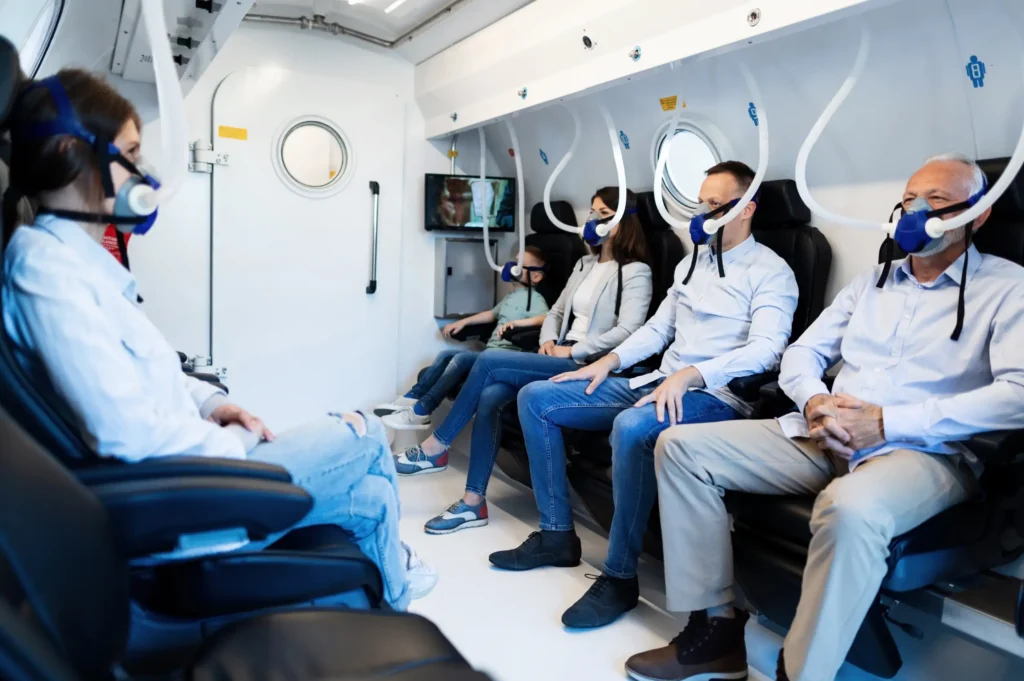
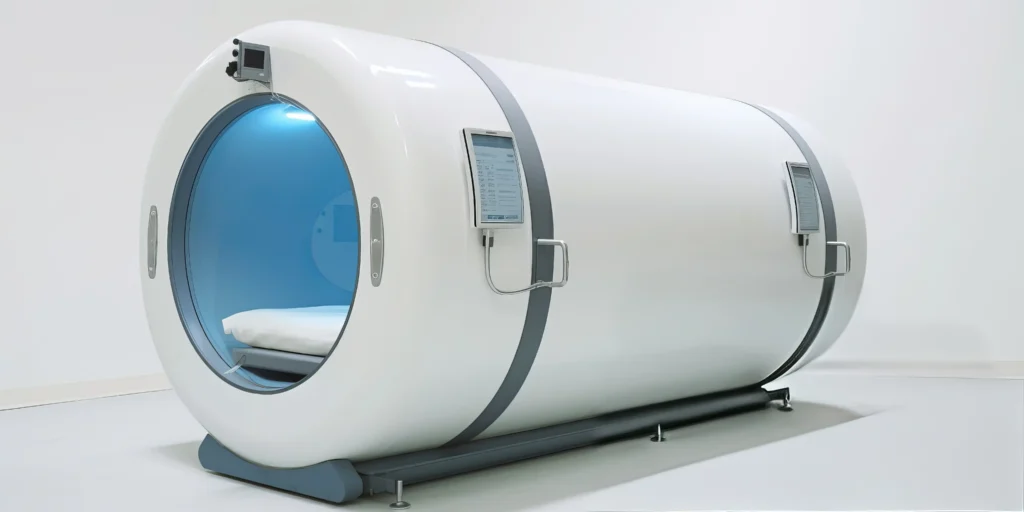
Hyperbaric Oxygen Therapy (HBOT) Systems
Hyperbaric Chamber Design and Engineering
Medical and Multiplace Hyperbaric Chambers
Hyperbaric Facility Design and Planning
Chamber Safety Standards and Regulatory Compliance
Quick answer: Decompression vs recompression chambers are both specialized hyperbaric pressure vessels, but they serve opposite functions in the diving